

Turkey Nutrition
All about Turkey’s Nutritional Benefits
Turkey is a nutritional powerhouse! Not only is Canadian turkey a high quality source of protein and nutrients, it’s also lean. That’s why we call turkey the Power Protein.
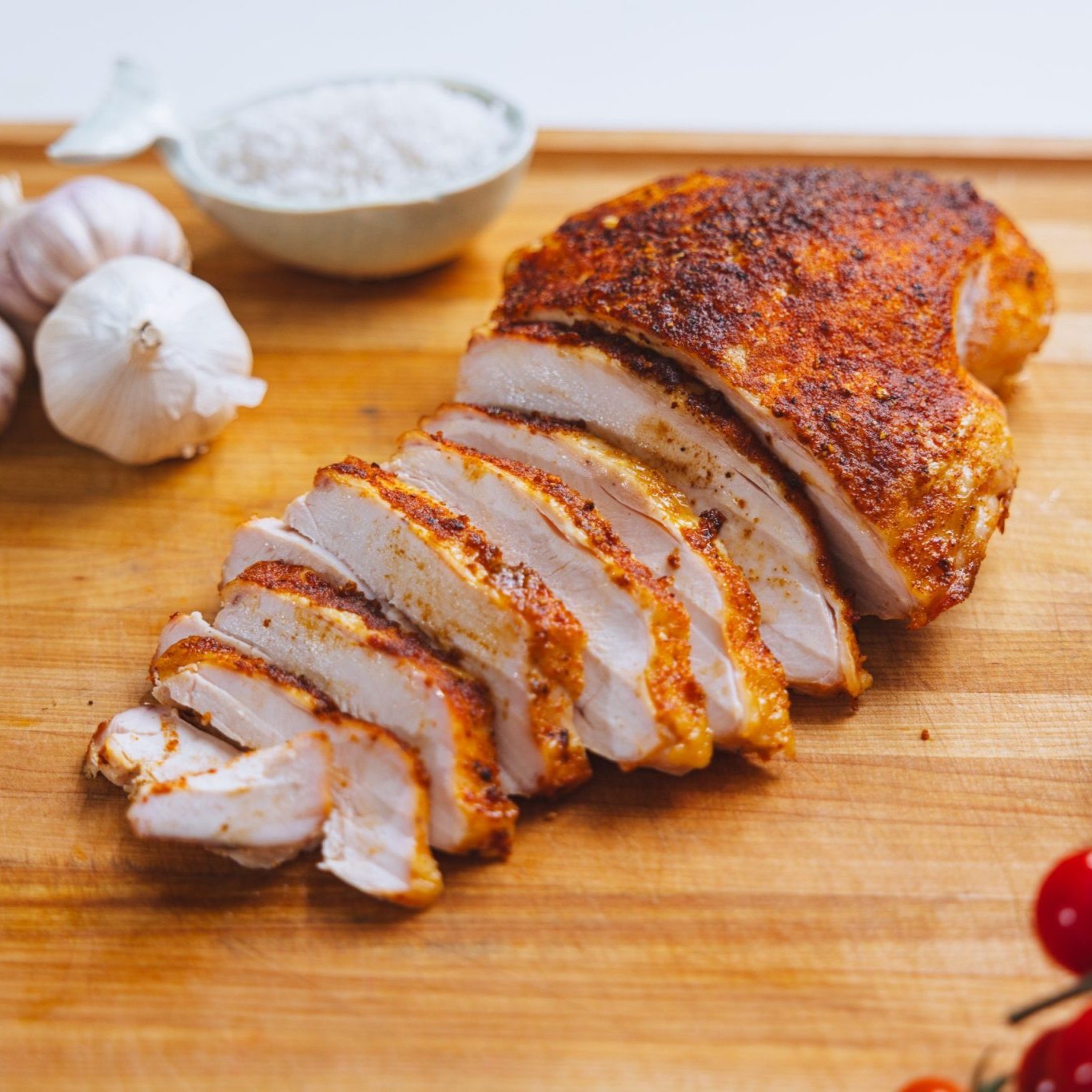
PROTEIN
Turkey is packed with high quality protein.
Turkey is packed with high quality protein.
Every bite of turkey is an excellent source of high quality protein, a nutrient that is key for overall good health; it plays an important role in building, maintaining and repairing your body every day. Protein is also used as fuel, or energy, especially when you don’t get enough calories from carbohydrates or fat. Aside from basic body functions, protein has some important health benefits:
- Protein helps build and maintain lean muscle mass to keep you strong.
- Protein can help crush cravings. Eating protein at meals can help you to feel satisfied and that can help you manage your appetite.
- Protein can help with weight management. A high protein diet promotes muscle growth, calorie burning and satiety.
It’s recommended that you aim for about 20-30 grams of protein at each meal to help you feel energized and satisfied, to build and maintain muscle and to help manage a healthy weight.
Each 100-gram serving of turkey has about 30 grams of high quality protein. Enjoying turkey is an easy and delicious way to meet your protein needs with every meal.
What is Protein?
Protein is a macronutrient that is key for overall good health; it is a main building block in your body and it’s part of every cell. Protein is also used as fuel (energy) to maintain basic body functions.
Protein is made up of smaller parts called amino acids. Think of amino acids as individual train cars that link together to make up a train. There are 20 amino acids that are combined in various ways to make up different proteins.
9 of those amino acids are essential, meaning that your body either can’t make them, or can’t make them in the amounts you need. That means that you have to get these essential amino acids from food. The remaining 11 amino acids come from food but can also be made in the body.
Turkey has all 9 essential amino acids in appropriate amounts, making it a “complete” protein.
Why Do You Need Protein?
Protein-containing foods are an important part of a nutritious diet. Protein is important for building healthy muscles, but it also helps:
- Build, maintain and repair all the cells in your body.
- Keep your immune system healthy – protein plays a vital role!
- Make enzymes, hormones and other compounds you need for health.
- Fuel your body, especially when you don’t get enough calories from carbohydrates or fats.
How Much Protein Do You Need Every Day?
The Recommended Daily Intake (RDI) for protein for adults is 0.8g per 1kg of body weight. This amount is based on the minimal amount of protein needed to sustain body functions and prevent deficiency. However, mounting evidence suggests that for optimal health, you need more protein than previously thought. In fact, for additional health benefits, research suggests you eat about 20-30g of protein at each meal. A 100-gram serving of turkey gives you about 30g of high quality protein.
What Health Benefits Can Protein Provide?
A higher protein diet can help optimize health benefits such as muscle building, healthy aging and weight management.
- Protein is a muscle booster. It helps build and maintain lean muscle mass to keep you strong.
Protein Power Tip: Eating a snack with high quality protein (like a turkey club) within two hours after exercise can help maximize muscle repair and growth so you’re ready to hit the gym, field or trails again. - Protein helps keep you strong as you age. A higher intake of high quality protein is recommended to maintain muscle health and keep you strong as you age.
Protein Power Tip:Most of us load up on protein at dinner, but we don’t get enough at breakfast. Try stirring leftover turkey into a frittata, wrapping up ground turkey in a breakfast burrito or enjoying turkey sausages alongside your eggs. - Protein helps with weight management. Getting enough protein can also boost calorie burning; a high protein intake preserves muscle mass while you lose weight.
Protein Power Tip: Protein can help crush cravings. Eating high protein meals can help you to feel satisfied/full longer and that can help you control your appetite.
Quality Counts
Not all protein is created equal. Research suggests that protein from animal sources, like turkey, is especially good at promoting lean muscle and improving satiety because it’s a complete protein.
Not only is turkey an excellent source of protein, but also it’s lean and filled with health-boosting nutrients:
- Iron that delivers oxygen through your body.
- Zinc for a healthy immune system.
- Selenium, an antioxidant mineral.
As a protein-rich food, turkey is a nutritional powerhouse.
Sources
Institute of Medicine. Dietary reference intakes: the essential guide to nutrient requirements. Washington: National Academies Press, 2006.
Health Canada. Canadian Nutrient File, version 2010.
Gilbert JA et al. Effects of proteins from different sources on body composition. Nutr Metab Cardiovasc Dis. 2011 Sep;21 Suppl 2:B16-31.
Phillips SM, Chevalier S, Leidy HJ. Protein “requirements” beyond the RDA: implications for optimizing health. Appl Physiol Nutr Metab. 2016;41(5):565-572.
Nutrition and Athletic Performance. Position of the Dietitians of Canada, the Academy of Nutrition and Dietetics and the American College of Sports Medicine. Feb 2016 (rev Dec 2016). Available from: www.dietitians.ca/sports
Yang D et al. Acute effects of high-protein versus normal-protein isocaloric meals on satiety and ghrelin. Eur J Nutr. 2014;53(2):499-500.
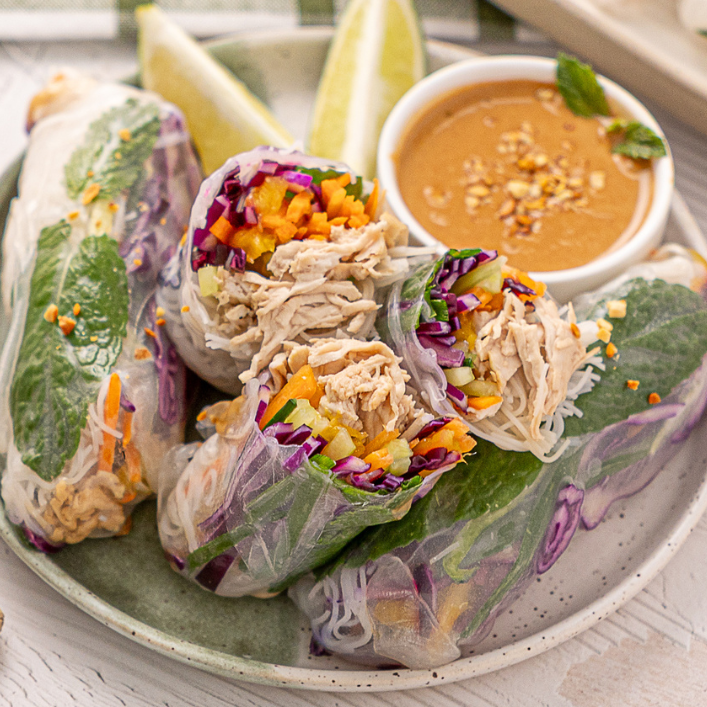
LEAN
Whether it’s white or dark meat, turkey is lean.
Whether it’s white or dark meat, turkey is lean.
Love dark turkey meat but go for white meat thinking it’s a lighter choice? Here’s some good news: all turkey cuts are lean! You’ll be happy to know that dark turkey meat has just 8 grams of fat per a 100-gram serving, and it’s especially rich in iron, selenium and zinc.
As for those who love white meat, it’s still a low fat option. Each 100-gram serving of white turkey meat is extra lean with just 3 grams of fat.
What about ground turkey? It’s extra lean with just 8.7 grams of fat per 100-gram serving. Ground turkey has just over half the fat of lean ground beef, making turkey an ideal choice for your healthy meatballs or burgers!
While all fresh, skinless turkey cuts are lean, their small amounts of fat support important body functions and good health. Fat helps:
- Provide energy.
- With healthy skin.
- Build hormones and absorb the fat-soluble vitamins A, D, E and K.
- You feel satisfied after meals.
Tasty Tip: Keep the skin on turkey breasts while cooking to keep the meat moist and lock in flavours AND remove the skin before eating for a leaner meal.

IRON
Turkey’s iron gives you a boost of energy.
Turkey’s iron gives you a boost of energy.
Iron is a mineral that:
- Keeps your body’s cells working.
- Helps boost resistance to infection.
- Delivers oxygen through your body, your muscles and your brain so you feel energized!
Turkey contains a type of iron – heme iron – that is easily absorbed by your body. All cuts of turkey contain this iron, especially the dark meat.
Plant foods, such as spinach, also contain iron, but it’s not as easily absorbable by your body. Eating meat, such as turkey, helps the absorption of plant-based iron.
Turkey Tip: Add turkey to your spinach salad not only for taste great, but the turkey will also help your body absorb the iron found in the leafy greens. Win-win!
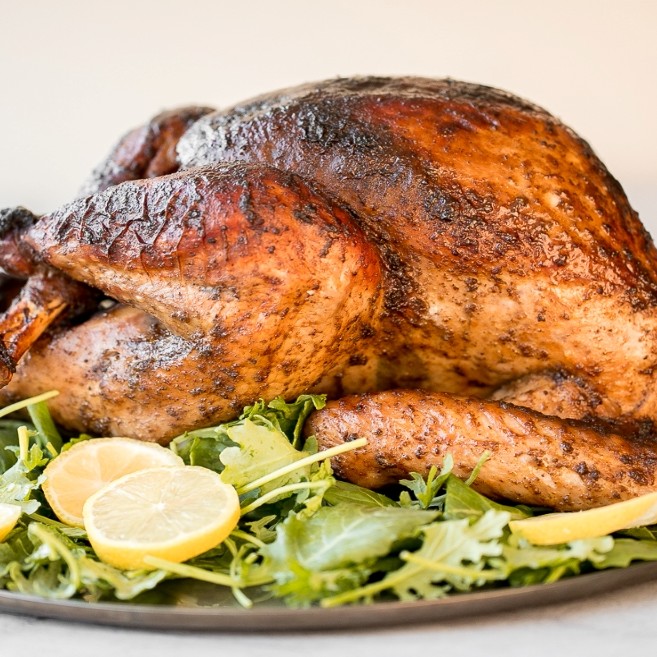
ZINC
Turkey’s zinc strengthens your immunity.
Turkey’s zinc strengthens your immunity.
Think of the mineral zinc like your inner boxer; it’s a key nutrient that helps your body fight off infections and heal wounds.
All cuts of turkey contain zinc, but ground turkey and dark turkey meat have the most and are considered excellent sources of zinc.
You need zinc every day for good health, because it is:
- Vital for optimal growth and development.
- Good for your skin; it helps to heal wounds.
- Great for immunity; it helps build and strengthen your immune system.
- Needed to help you taste and smell your food.
Turkey Bonus: turkey contains zinc that your body can easily absorb. Although you can get zinc from plant foods (e.g. whole grains), your body absorbs the zinc found in animal foods more easily.
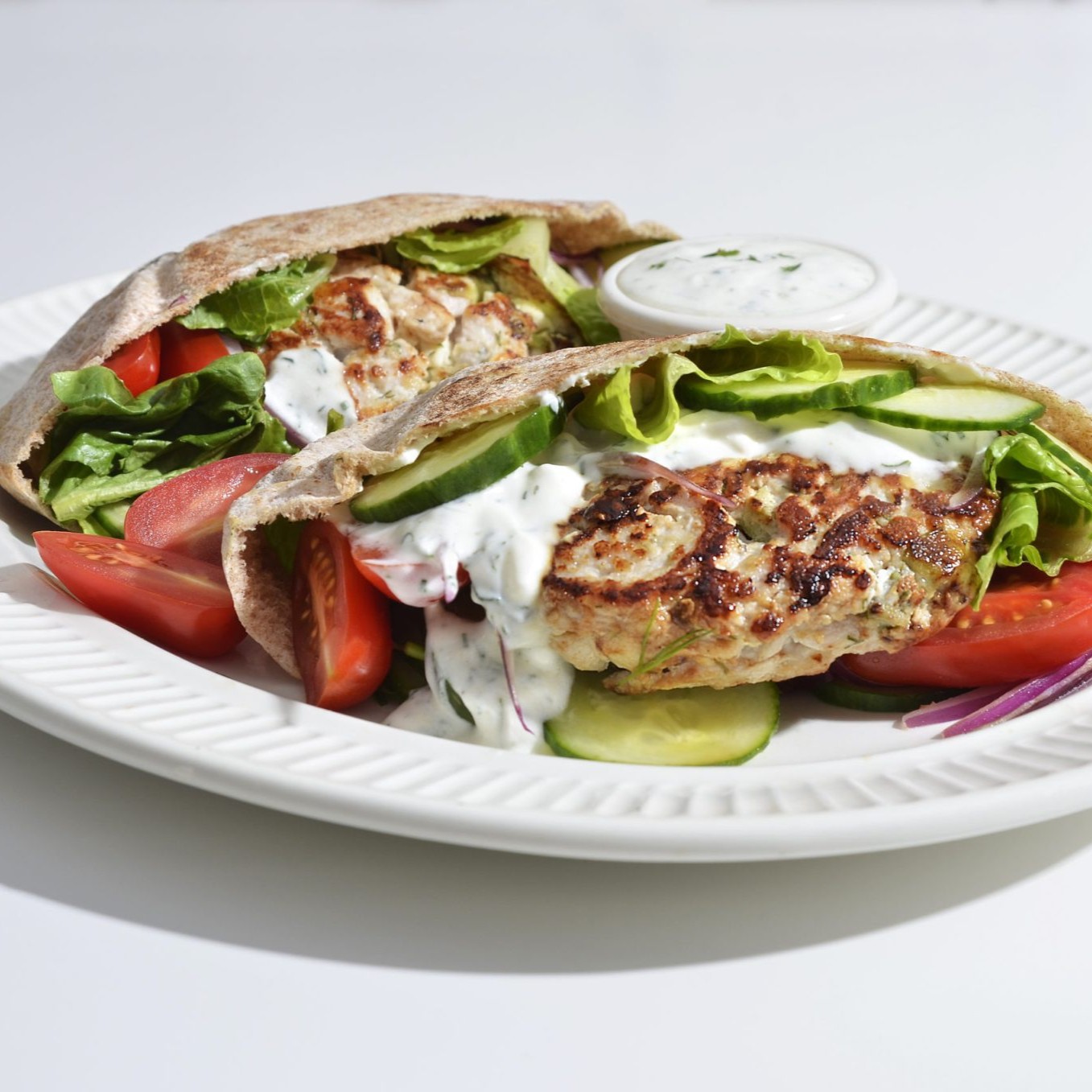
SODIUM
Turkey is naturally low in sodium.
Turkey is naturally low in sodium.
Although we need some sodium in our diet to regulate blood pressure and muscle and nerve activity, too much can lead to health problems such as high blood pressure, heart disease and stroke.
Choosing more fresh foods, like turkey, that are naturally low in sodium, and cooking more meals at home, are two smart steps you can take for good health.
Tasty Tip: You don’t need to soak your turkey in a salty marinade to make it tasty and flavourful.
VITAMIN B12
Turkey is bursting with vitamin B12.
Turkey is bursting with vitamin B12.
Vitamin B12 is only naturally found in animal products, such as turkey, and is essential for vital functions in your body.
It cannot be stored in your body, so you need to eat foods rich in vitamin B12 daily to help:
- Keep your nervous system – the body’s electrical wiring – working well.
- Develop your DNA and healthy red blood cells.
All cuts of Turkey are excellent sources of vitamin B12. Since you need vitamin B12 every day, that’s another great reason to eat turkey everyday, not just at the holidays!
NIACIN
Turkey contains important B vitamin, niacin.
Turkey contains important B vitamin, niacin.
Niacin is a B vitamin, also known as vitamin B3. Like the other B vitamins, niacin is water-soluble, so it’s not stored in your body; you need to eat foods containing niacin every day. Niacin is important because it helps:
- Convert the food you eat into usable energy for your body.
- Maintain a healthy nervous system and plays a role in making DNA.
- Enzymes (natural chemicals in your body) function properly.
All turkey cuts are an excellent sources of niacin.
SELENIUM
Turkey helps your skin glow with selenium.
Turkey helps your skin glow with selenium.
Selenium is a mineral that works as an antioxidant to help protect all your cells and plays a key role in healthy skin.
Selenium is also needed to keep your immune system and your thyroid working at their best.
While dark meat is especially rich in selenium, all turkey cuts provide selenium.
VITAMIN D
Turkey delivers bone-building vitamin D.
Turkey delivers bone-building vitamin D.
Vitamin D is known as the sunshine vitamin, because your body can make vitamin D through exposure to sunlight on your skin.
Vitamin D only comes from a few natural sources, turkey being one of them!
One of the main roles of vitamin D is to partner with calcium to build and maintain strong and healthy bones and teeth.
Vitamin D can also help you fight off infections as it plays an important role in keeping your immune system healthy.
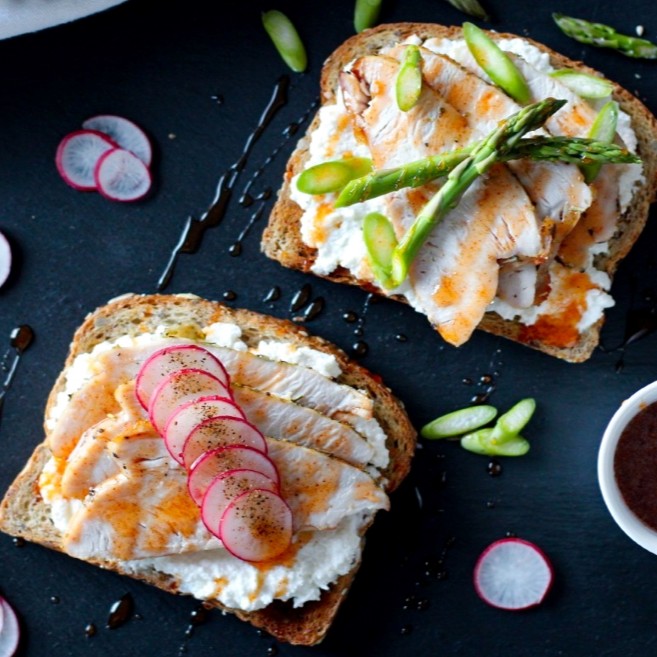
POTASSIUM
Turkey helps boost your heart health with potassium.
Turkey helps boost your heart health with potassium.
Did you know that a serving of white turkey meat has the same amount of potassium as a small banana!*
Potassium is an essential mineral that helps regulate fluid balance, heart function, blood pressure, nerve and muscle activity.
A higher potassium intake can also help reduce the amount of sodium that your body retains, helping keep your blood pressure healthy.
All fresh turkey cuts are low in sodium and a source of potassium, so eating turkey is a good protein option for a healthy diet to keep a healthy heart.
*100g serving of white turkey meat has 364mg potassium; 1 small banana has 362 (Canadian Nutrient File, v2015).
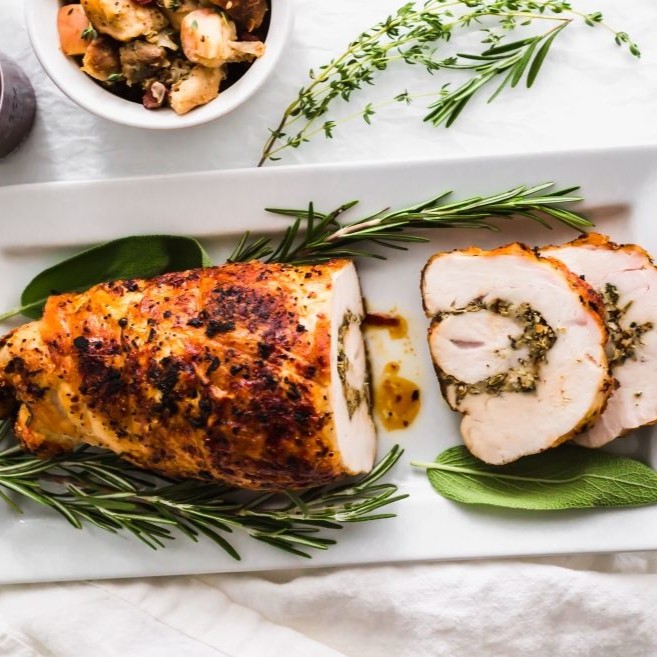
PHOSPHORUS
Turkey is filled with the essential mineral phosphorus.
Turkey is filled with the essential mineral phosphorus.
Phosphorus is an essential mineral that works in many ways in your body:
- Works with the B vitamins to help your body to convert food into energy.
- Helps your body make the protein it needs for growth and maintenance of all cells.
- Builds strong, healthy bones and teeth together with calcium
Like other high-protein foods, turkey is an excellent source of phosphorus.
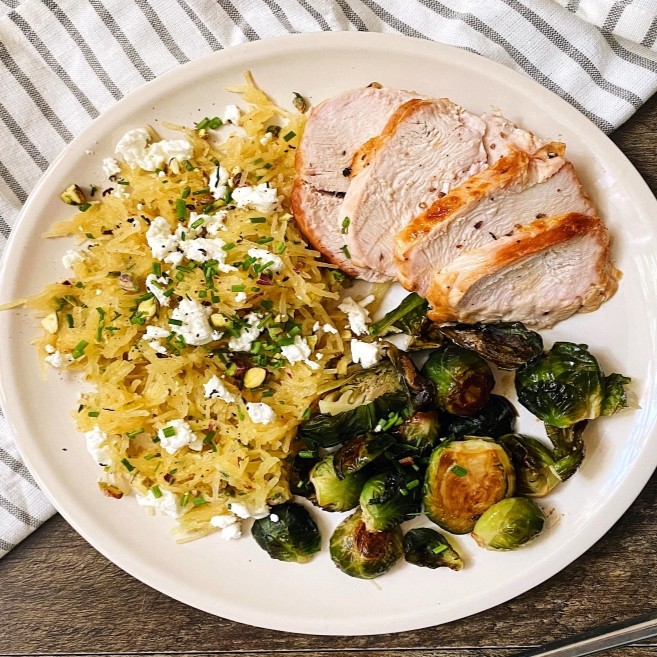
TRYPTOPHAN
Turkey does NOT make you sleepy!
Turkey does NOT make you sleepy!
Have you ever felt drowsy after eating a big holiday meal? Urban legend tells the tale that the sleepiness you feel is due to the tryptophan in turkey. That’s a myth!
Here are the facts: Tryptophan is an amino acid found in small amounts in all protein, including turkey, milk and eggs. Tryptophan can act as a mild sleep-inducing agent, but it’s most effective when it’s on its own like as a supplement pill. The small amount of tryptophan in foods, including turkey, doesn’t have that same effect.
So, what’s the real culprit to post-meal drowsiness? It’s more likely a combination of overindulging in your favourite foods and maybe pairing it with alcohol.